Maputo, Mozambique
It was a bit of a rocky ride, but we arrived to the mainland of eastern Africa!

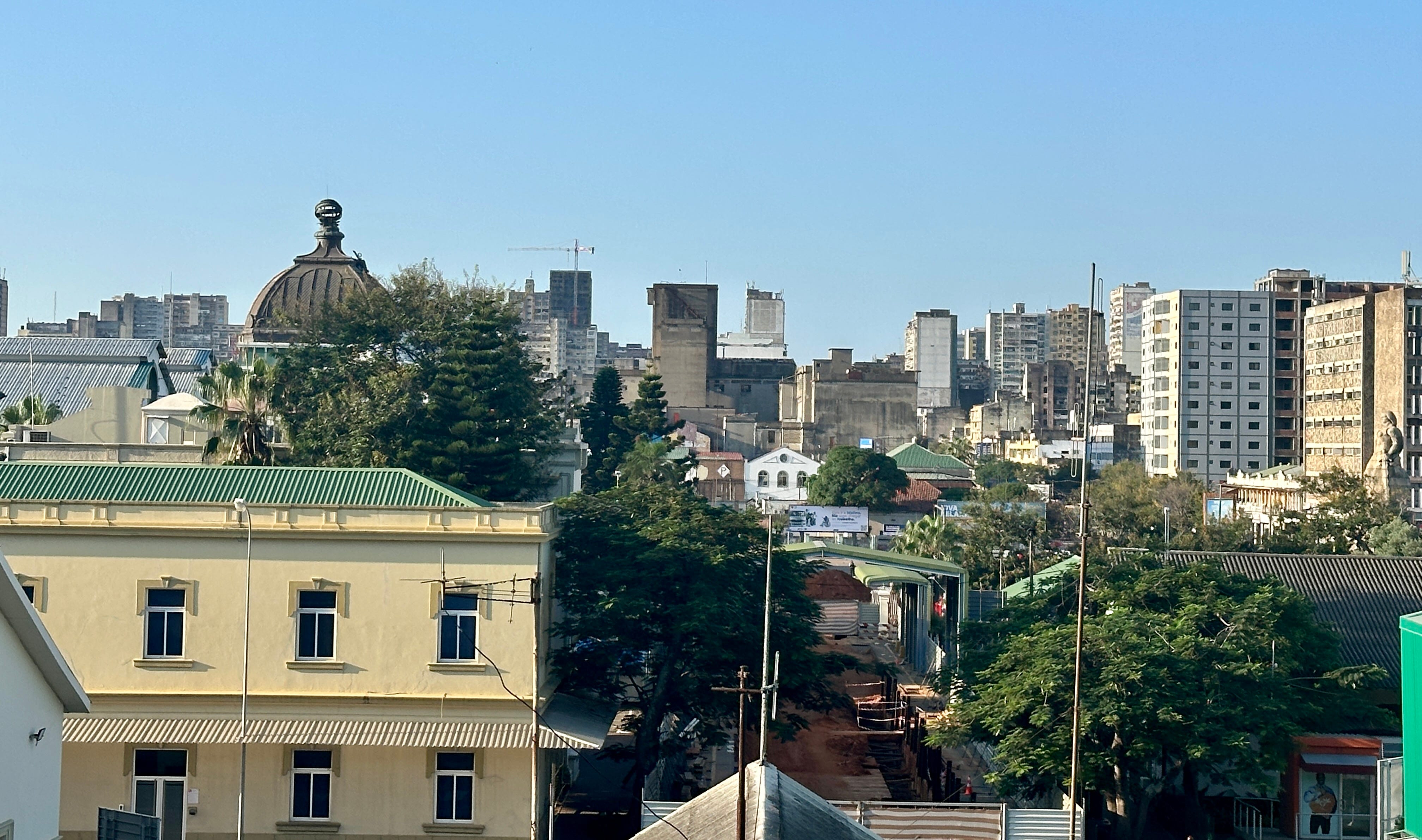
We had two days at sea, cruising the Mozambique Channel, before arriving at our first port on mainland Africa: Maputo, the capital city of Mozambique.
“The Mozambique Channel is a body of water located in the Indian Ocean, stretching between the southeastern coast of Africa and the island of Madagascar. The channel is approximately 1,600 km long and varies in width from about 400 km to 1,000 km.”- Regent Passages.
This body of water is known for is shifting currents, so not only did we have the rolling motion (side to side), we had the pitching motion (up and down). After the first day of feeling slightly “off,” I was needing Gravol on the second day! It’s the first time on our trip that the ship’s motion affected me… even off the ship, I felt like I was still moving!
Needless to say, reaching the pier in Maputo was very welcomed and we were both looking forward to our tour, “A Glimpse of Maputo.”
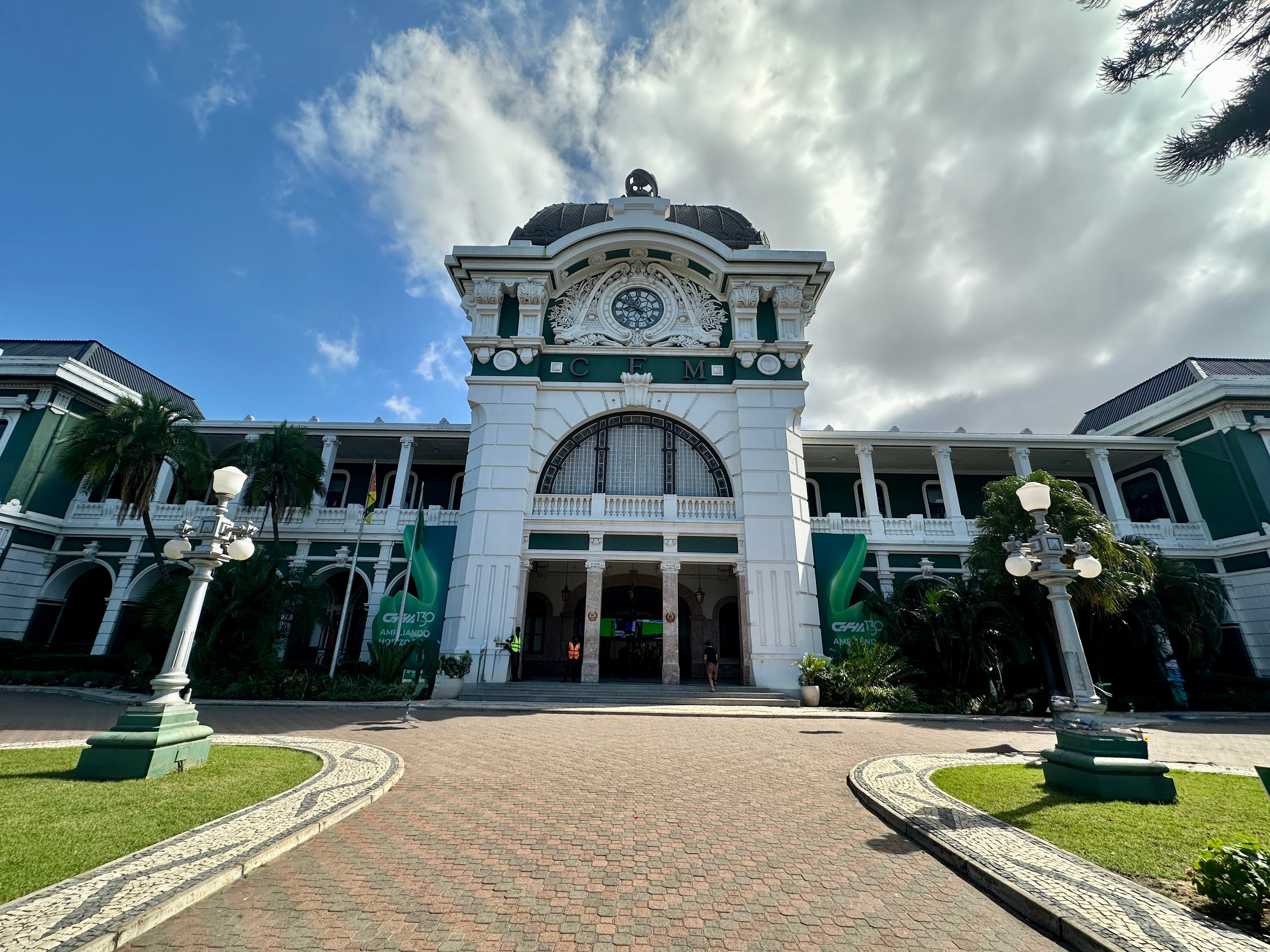
The first stop on our 3-hour excursion was to the Maputo Railway Station, built in the Beaux-Arts style of architecture between 1908-1916. The rail lines from here connect Maputo to South Africa (Pretoria and Johannesburg, Zimbabwe, and Eswatini (Swaziland); both freight and passengers are transported. It is considered to be one of the most beautiful train stations in the world.
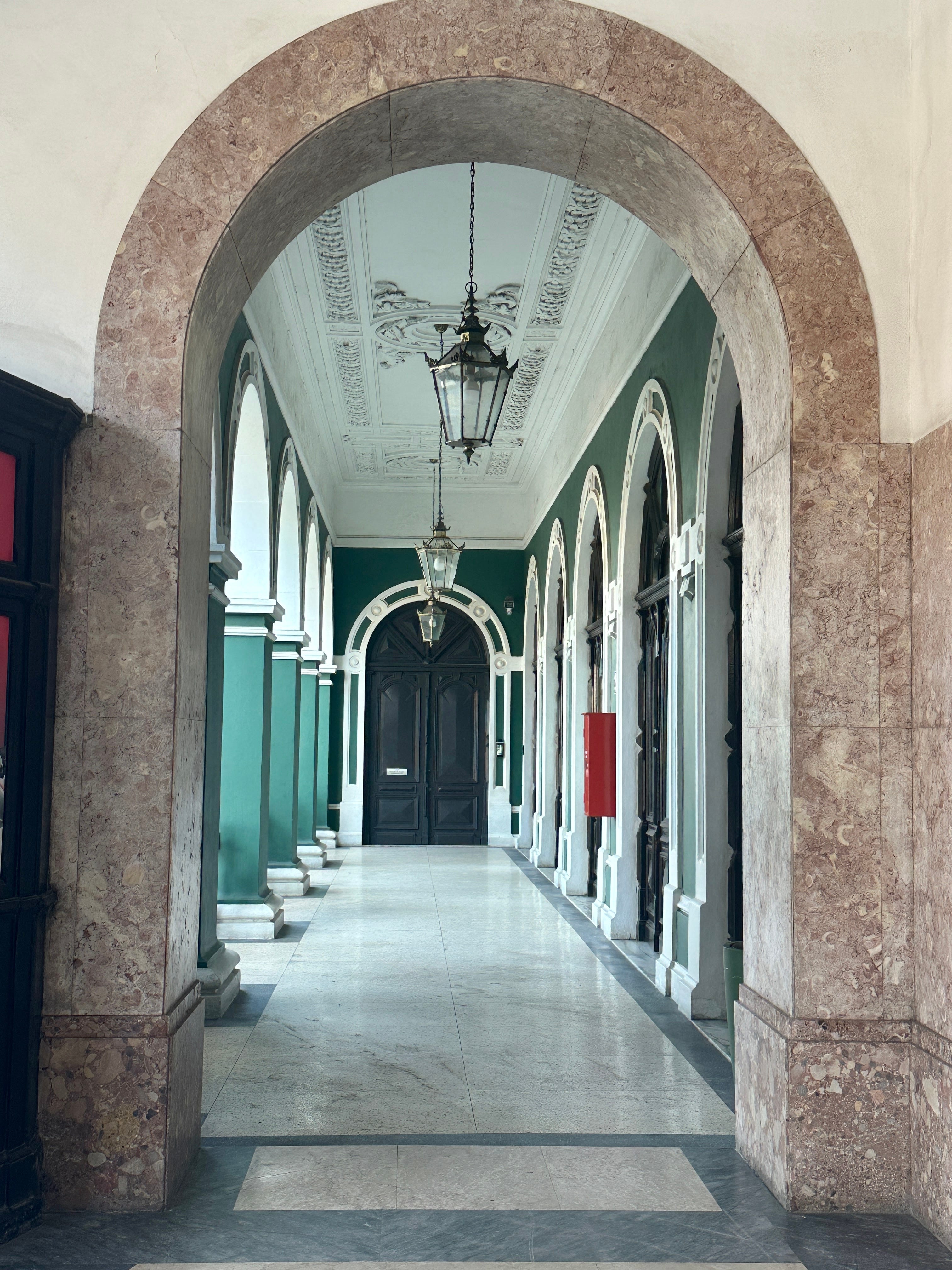
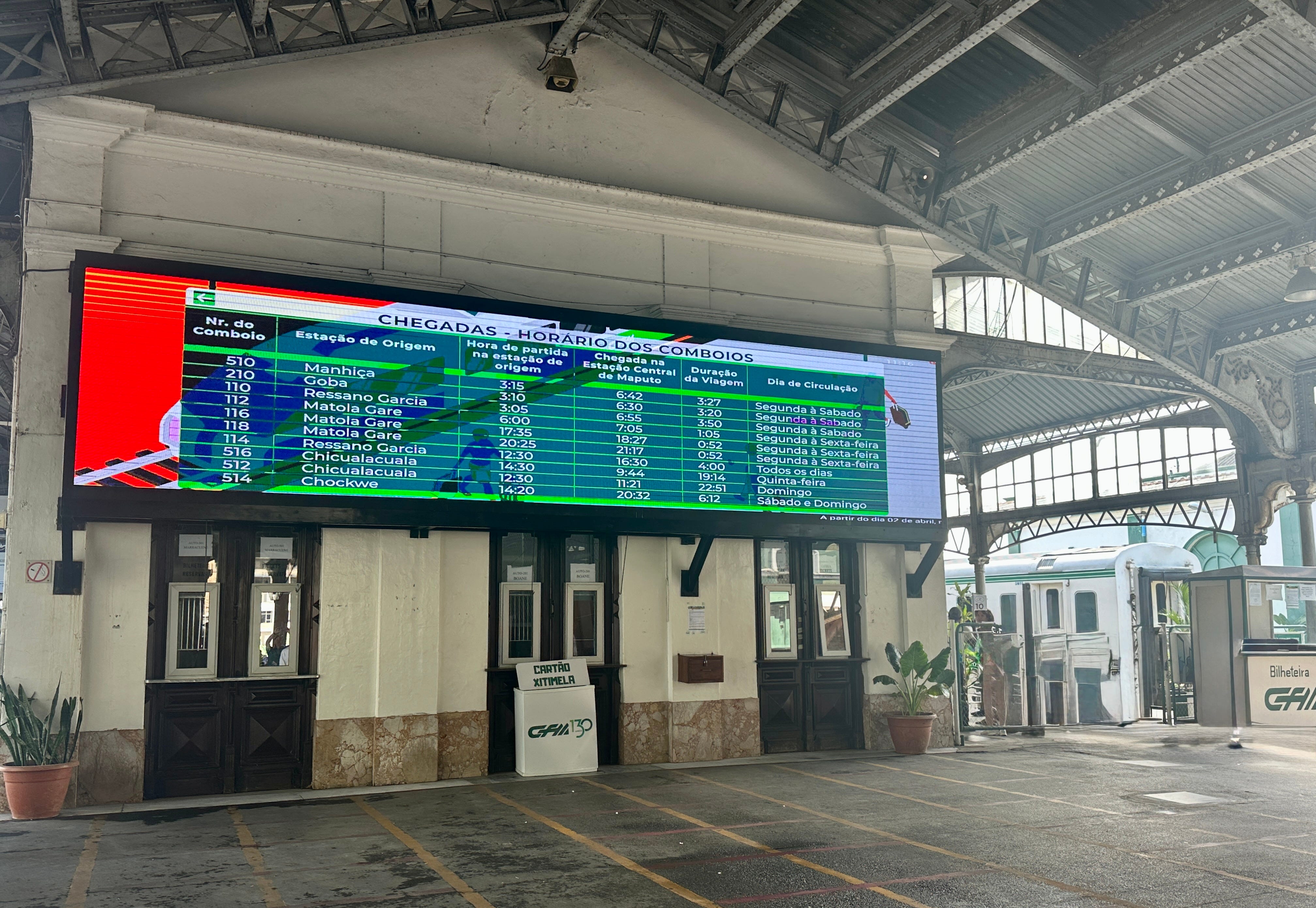


The Railway Museum inside the station - officially called the Museu dos CFM- opened in 2015, and is dedicated to the history of Mozambique’s railways and ports.
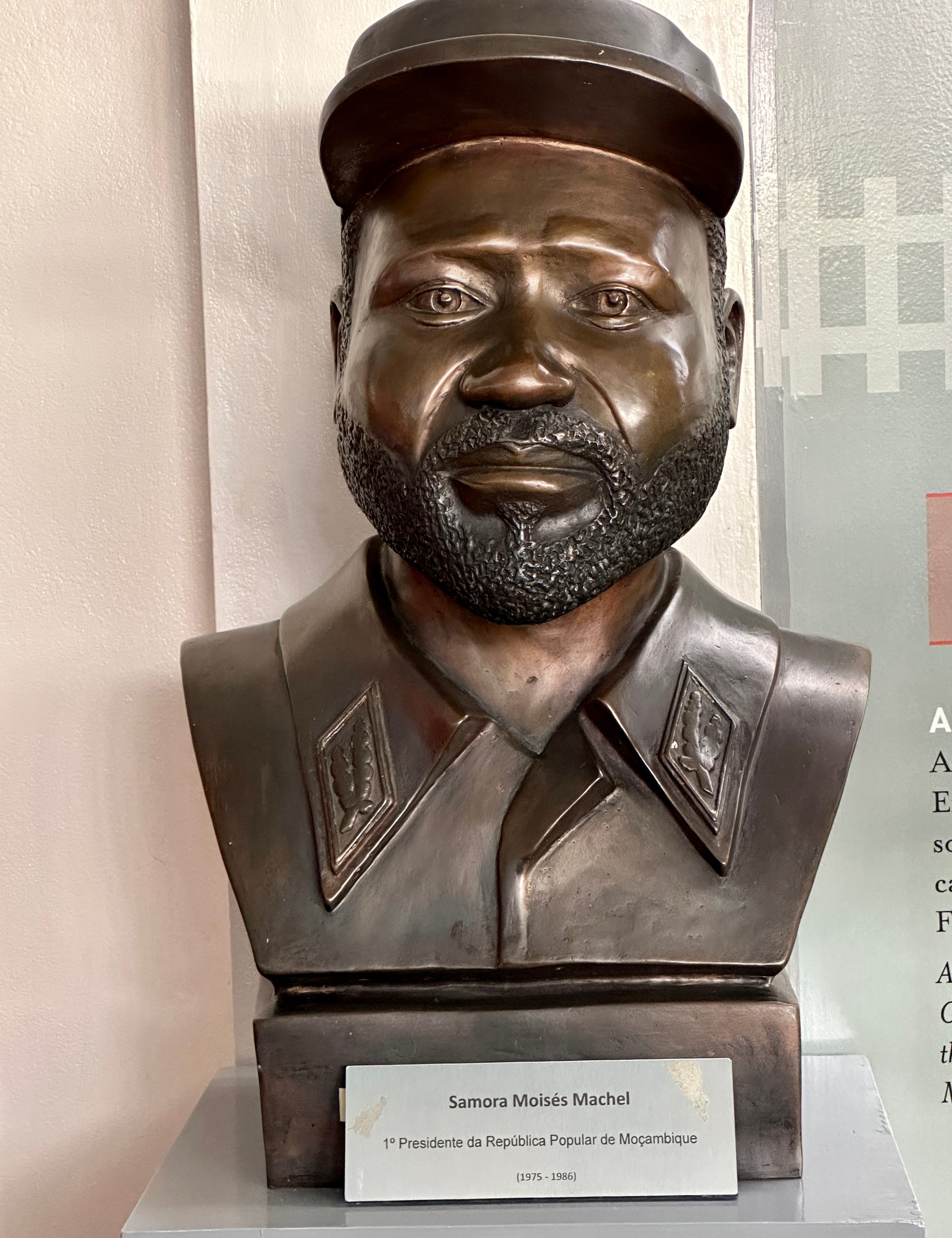
A bust of Samora Machel sits just inside the museum. Machel was the first president of independent Mozambique and a key leader of the independence movement. The bust is present as a reflection of the importance of infrastructure like rail in shaping the country and Machel’s role in the post-independence era.
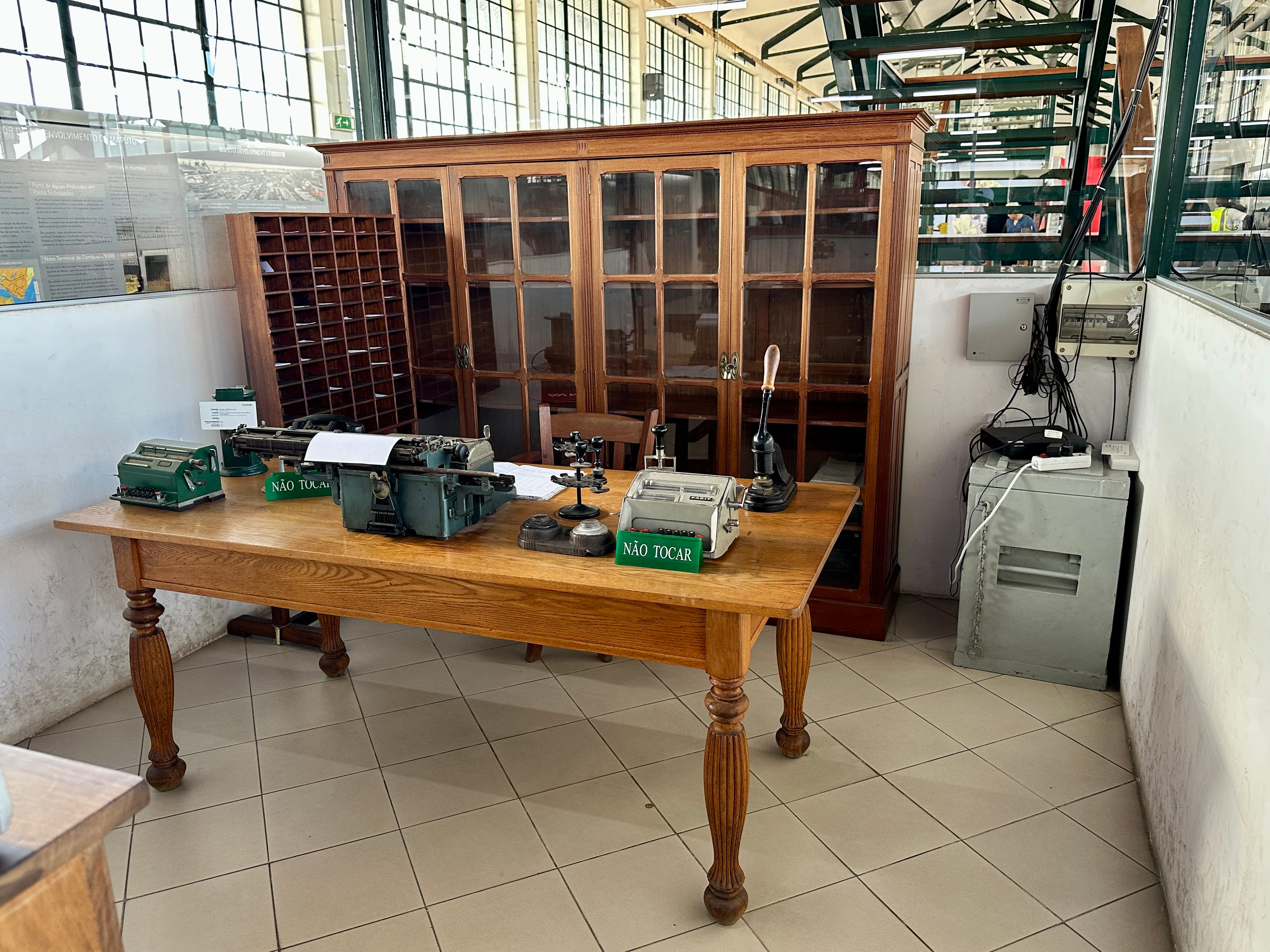
The museum features a large number of artefacts, making you feel like you’ve stepped back in time.
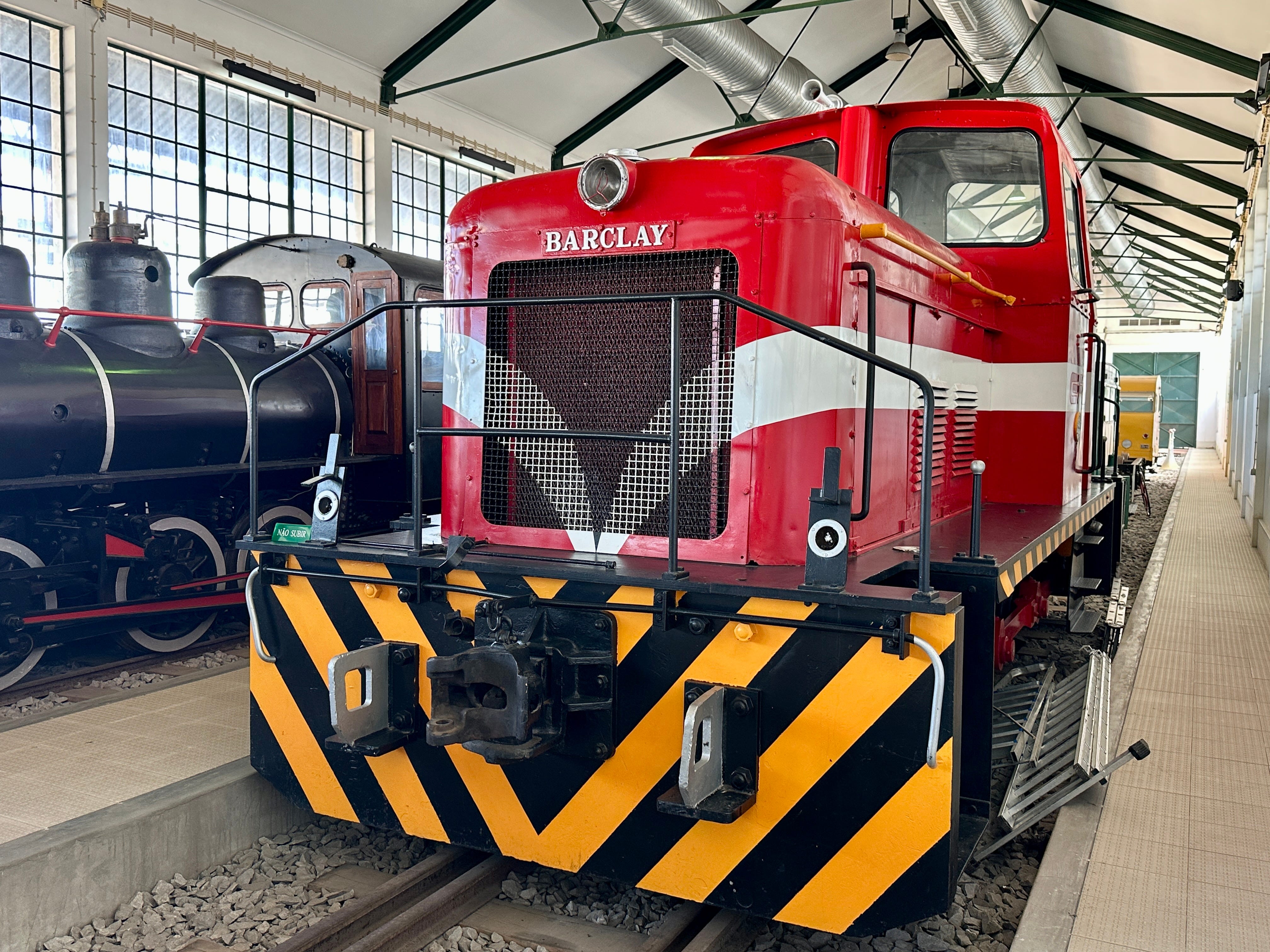
Steam locomotives from the late 1800’s are on display. This one was built by the Scottish engineering company Andrew Barclay Sons & Co, who built hundreds of steam locomotives from the late 1800’s into the 20th century.
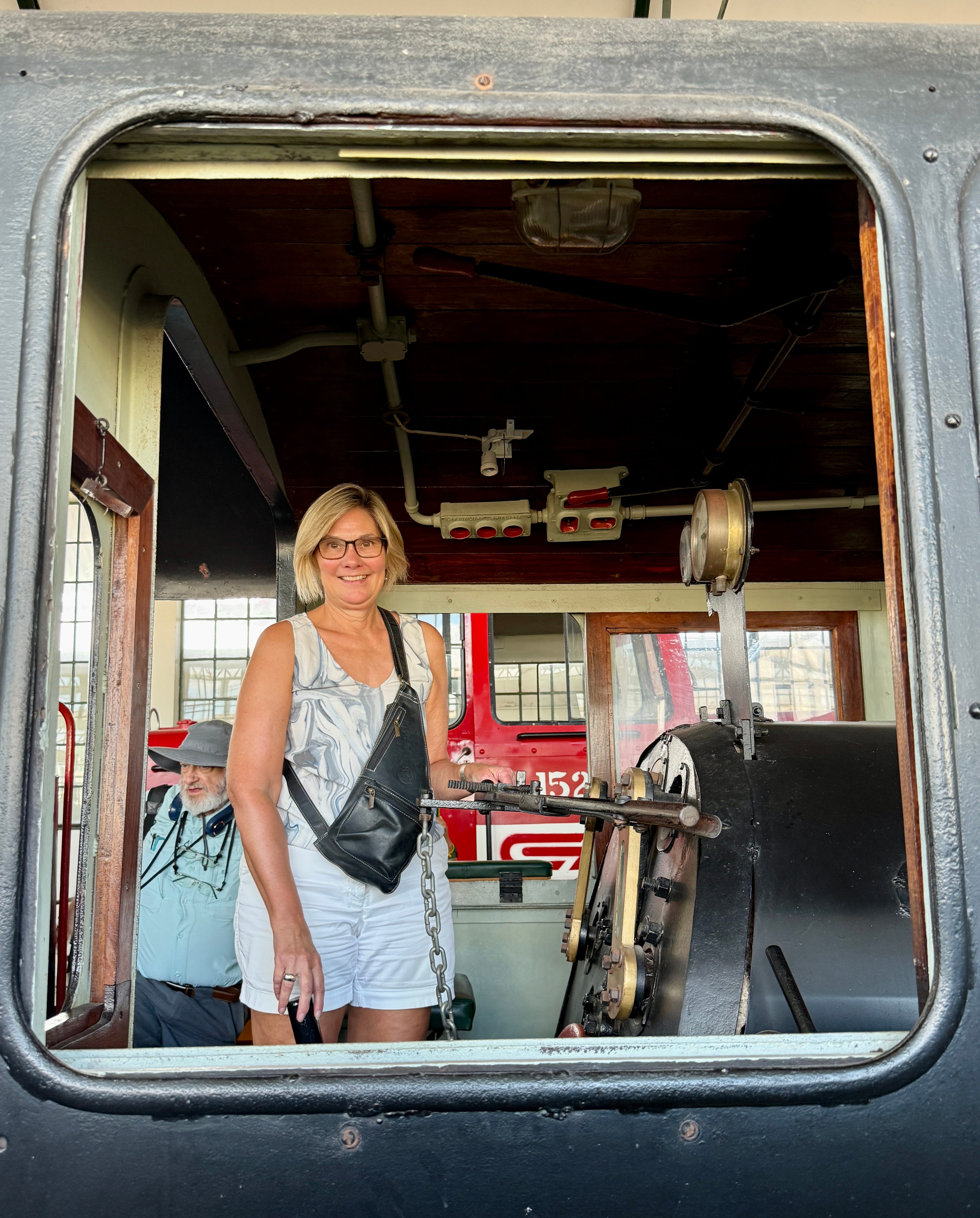
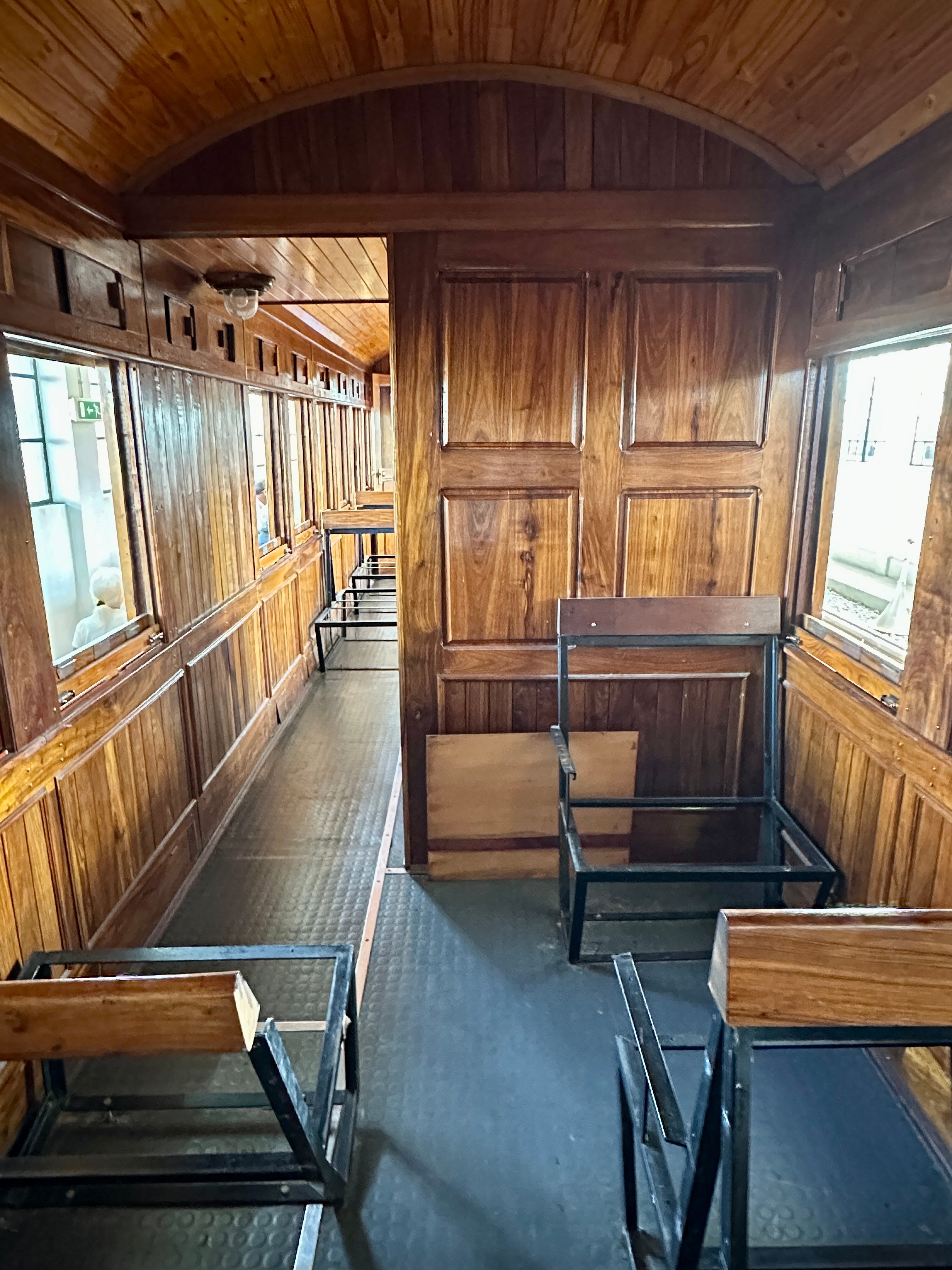
The train’s interiors are beautifully preserved, with detailed wooden features.
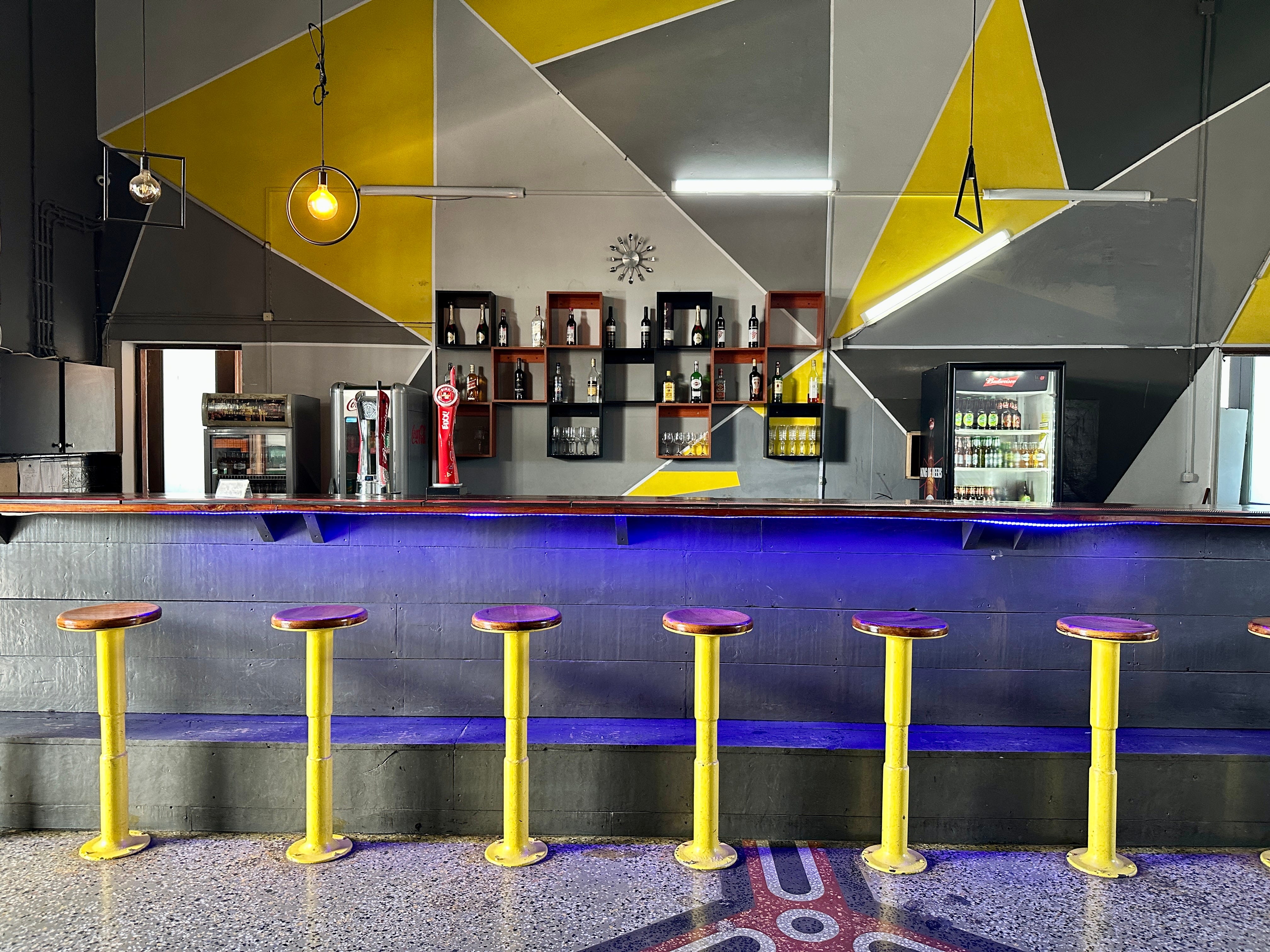
Walking out of the museum and back onto the platform, we passed this charming café and noticed a cooler full of 2M beer, brewed in Maputo since the colonial era. A national favourite, so we’re told by our guide. We will have to take his word for it, no time today for a taste test!
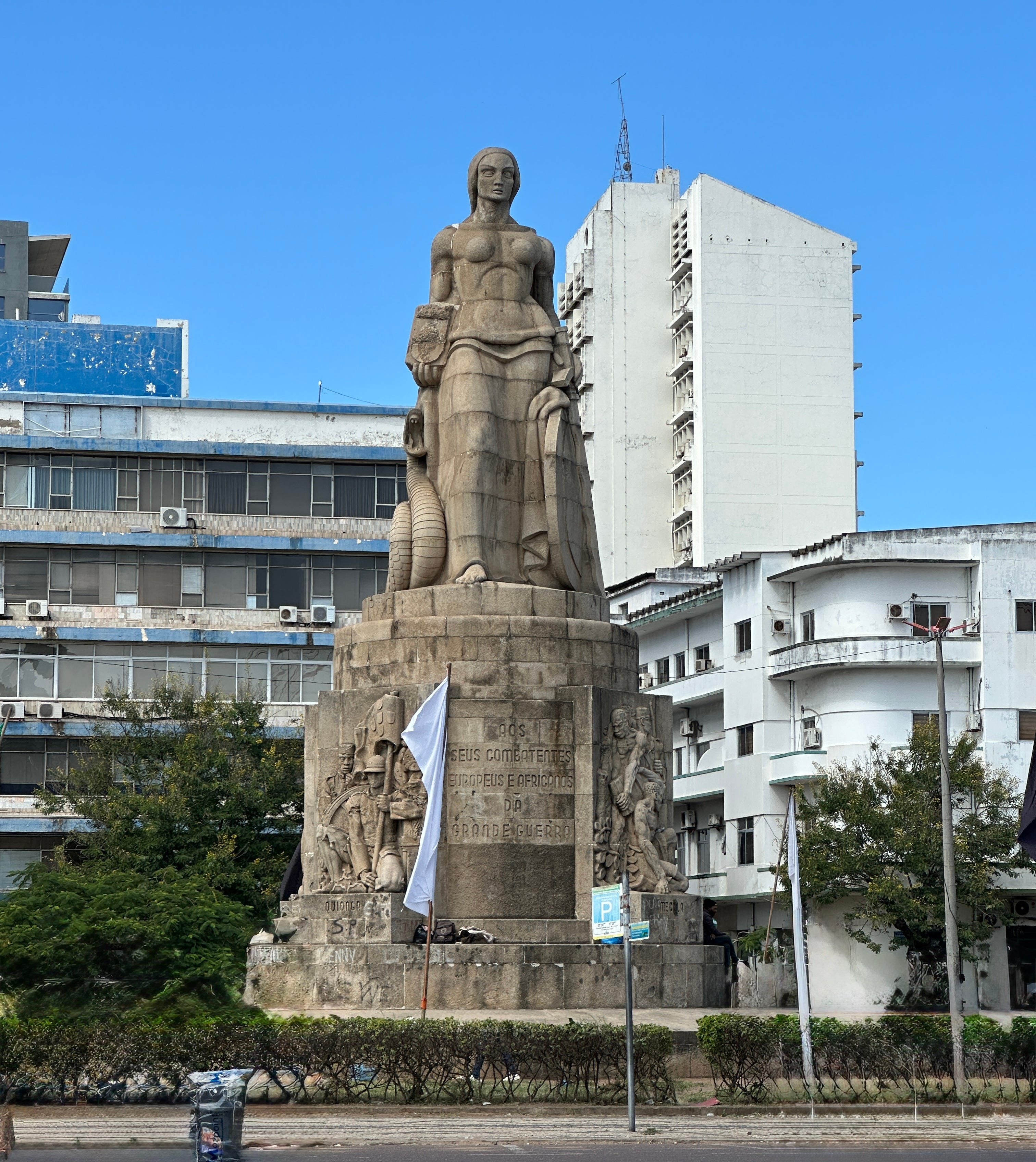
This World War 1 memorial, “Snake Lady,” was built in the 1930’s, depicting a woman with a serpent at her feet. The local story is associated with a legend: a giant snake used to attack people near that spot. A brave woman tricked it by carrying hot porridge on her head. When the snake struck, it fell into the pot and died. This story turned the statue into a symbol of a female hero who saved the community.
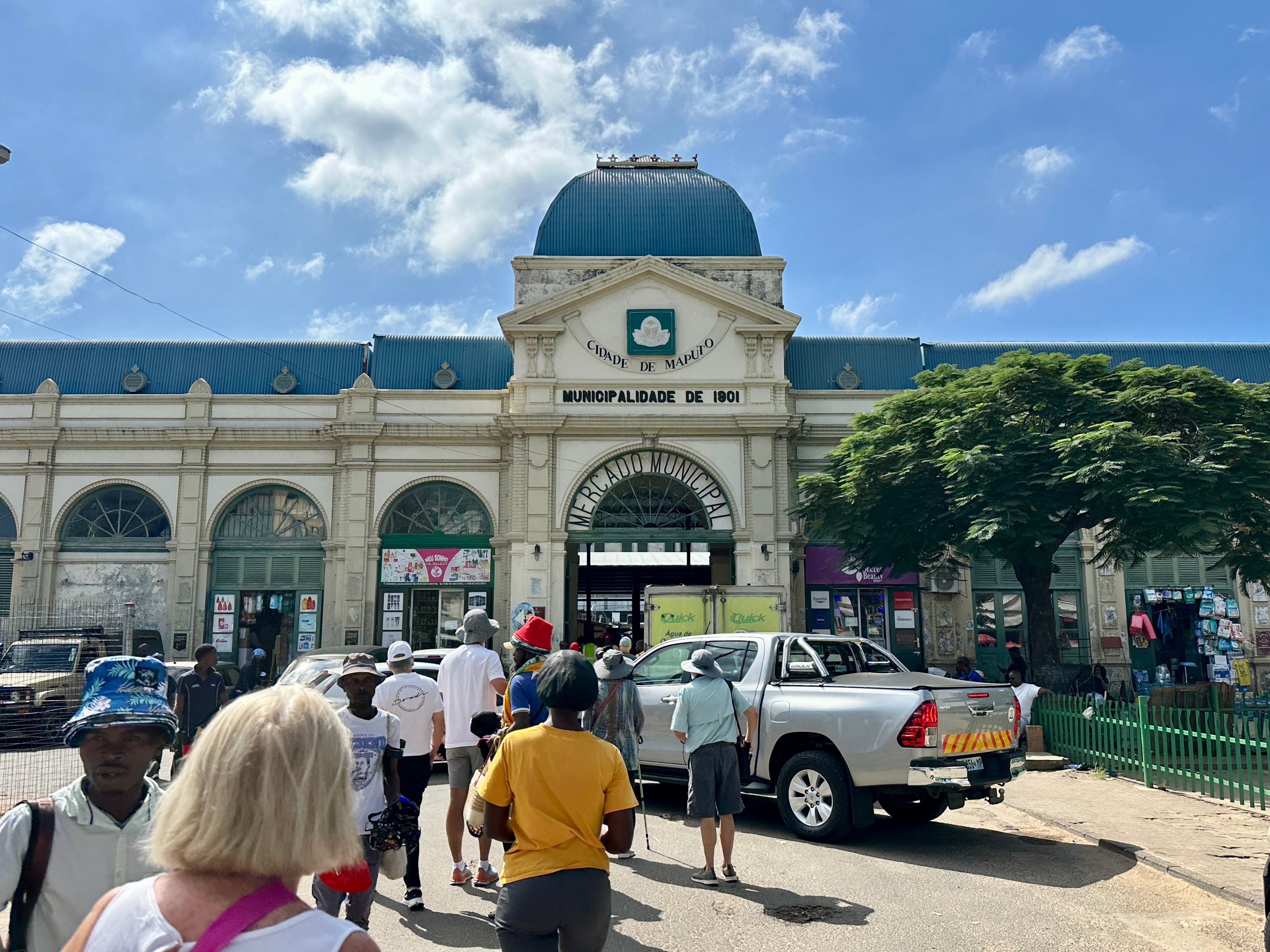
Our next stop was to Central Market. The market dates back to 1903, during the Portuguese colonial period. Like some of the other large markets we’ve been to, this is less of a tourist market, and more of a shopping area for the locals.


We walked through Central Market, with its rows of fresh produce, seafood, nuts (Mozambique is famous for its cashews), textiles, and handicrafts. We also noticed numerous stalls selling wigs and hairpieces - something we learned is a big part of cultural expression and is a key source of income for the vendors. We definitely could have spent more time here!
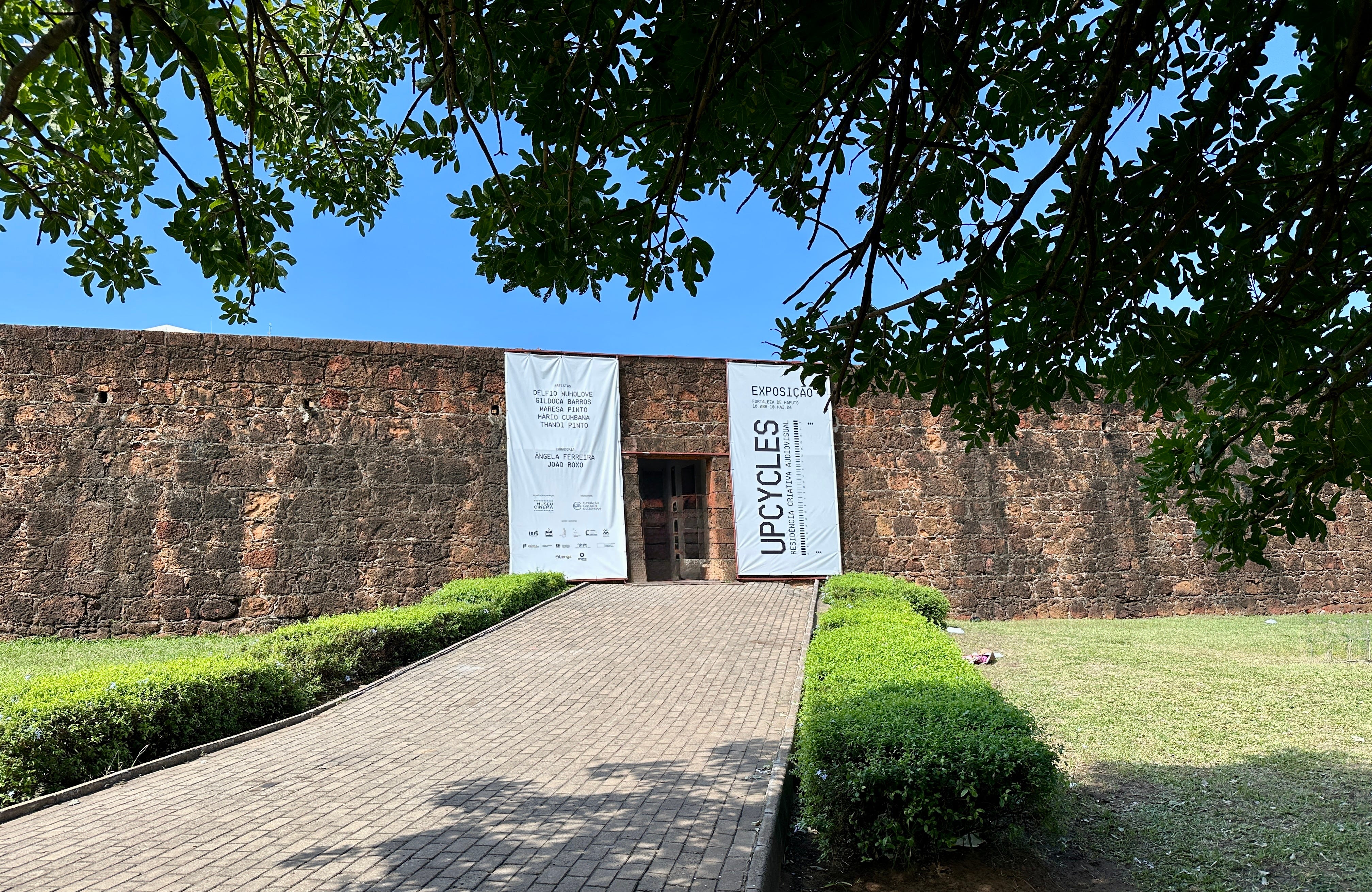
The Maputo Fortress dates back to 1787, built by the Portuguese to protect and control trade routes, especially the valuable ivory and gold trade.
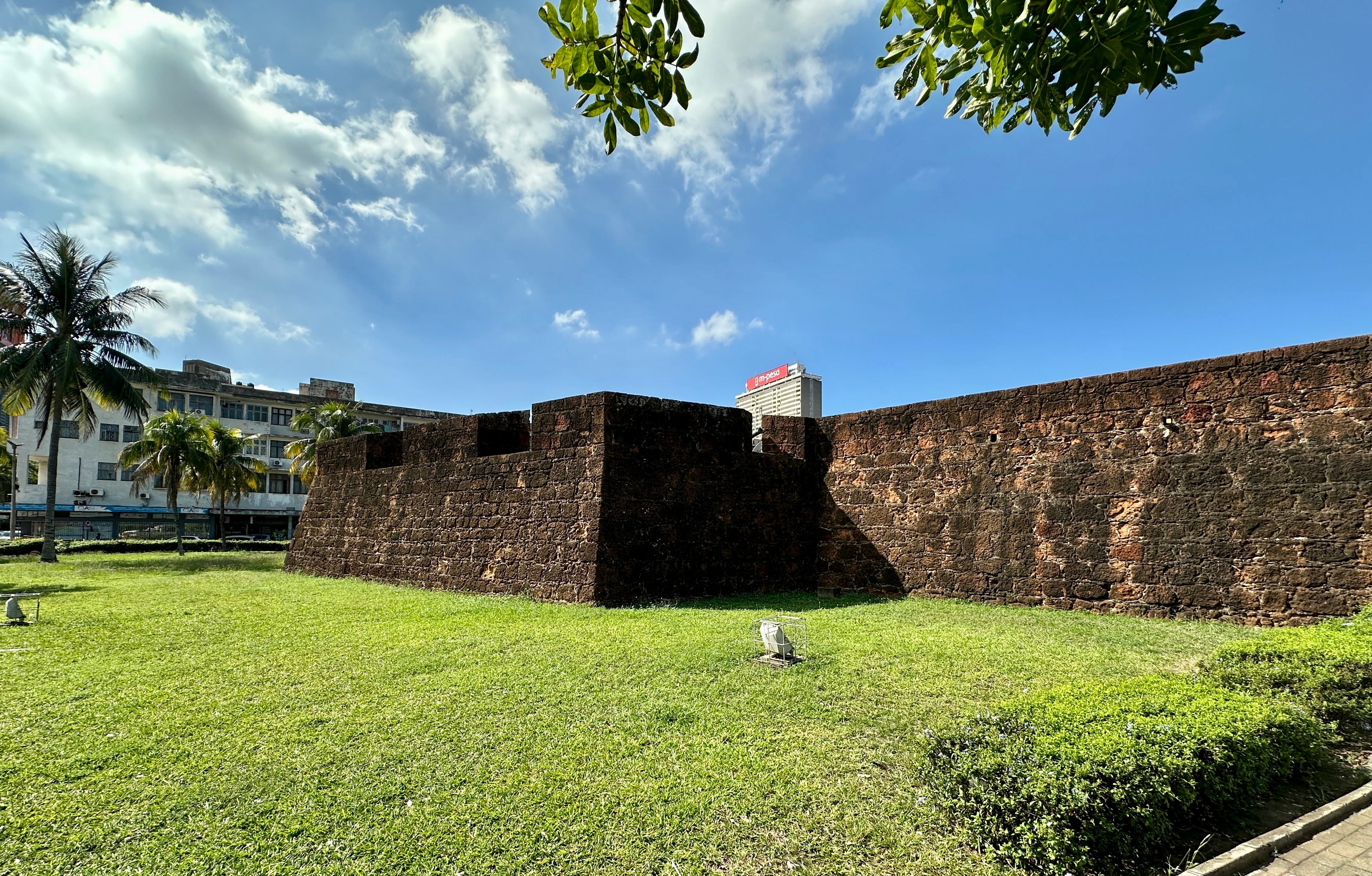
The fort was built in a simple square design, with thick stone walls. It has bastions at the corners for cannons, and a central courtyard.
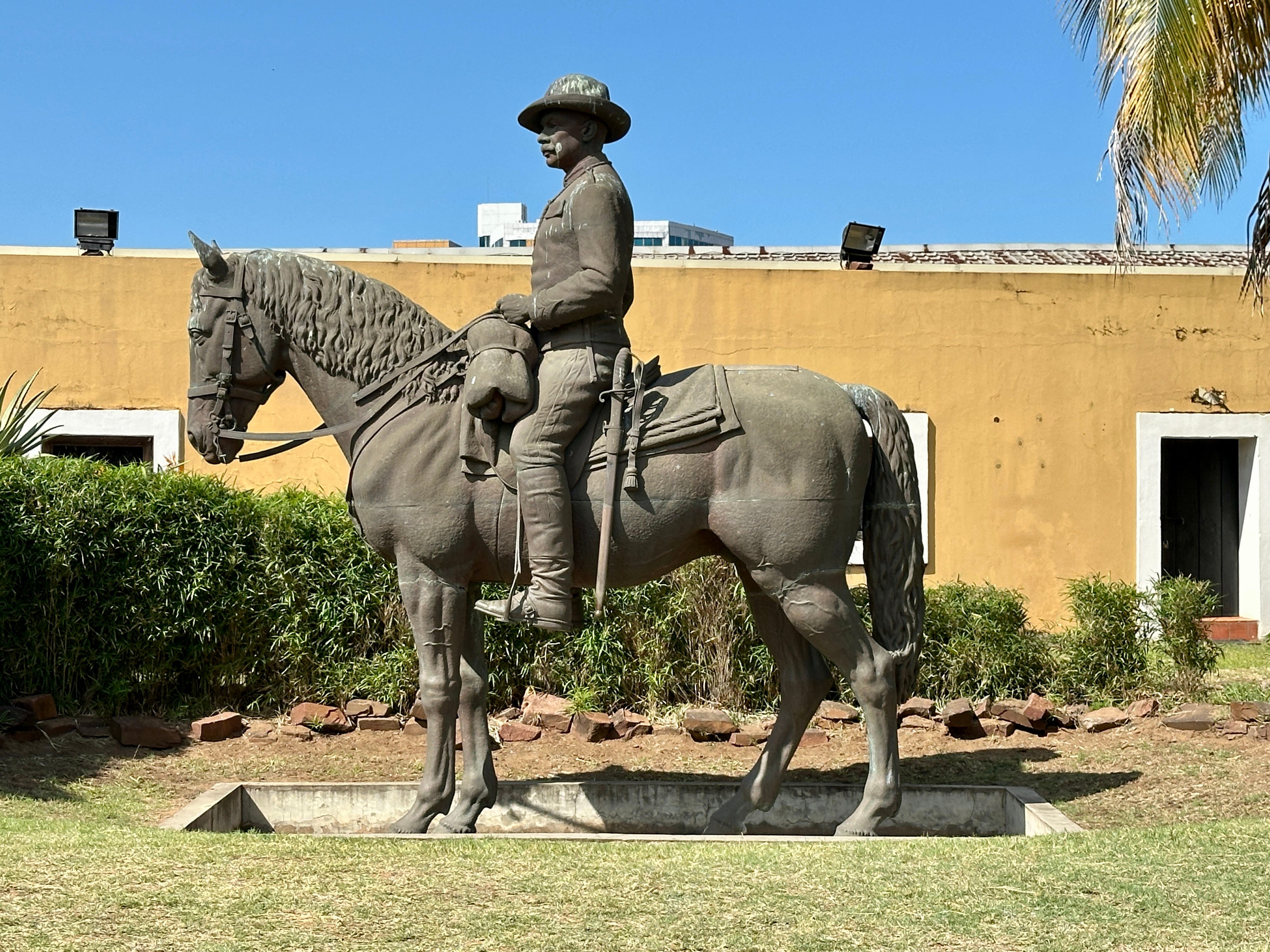
This statue of Mouzinho is prominent in the courtyard. He was a Portuguese military officer, best known for his role in establishing Portuguese control over southern Mozambique in the late 19th century. He became a national hero in Portugal because he captured Ngungunhane, a ruler of the powerful Gaza Empire. After his military success, Mouzinho served as Governor-General of Mozambique.
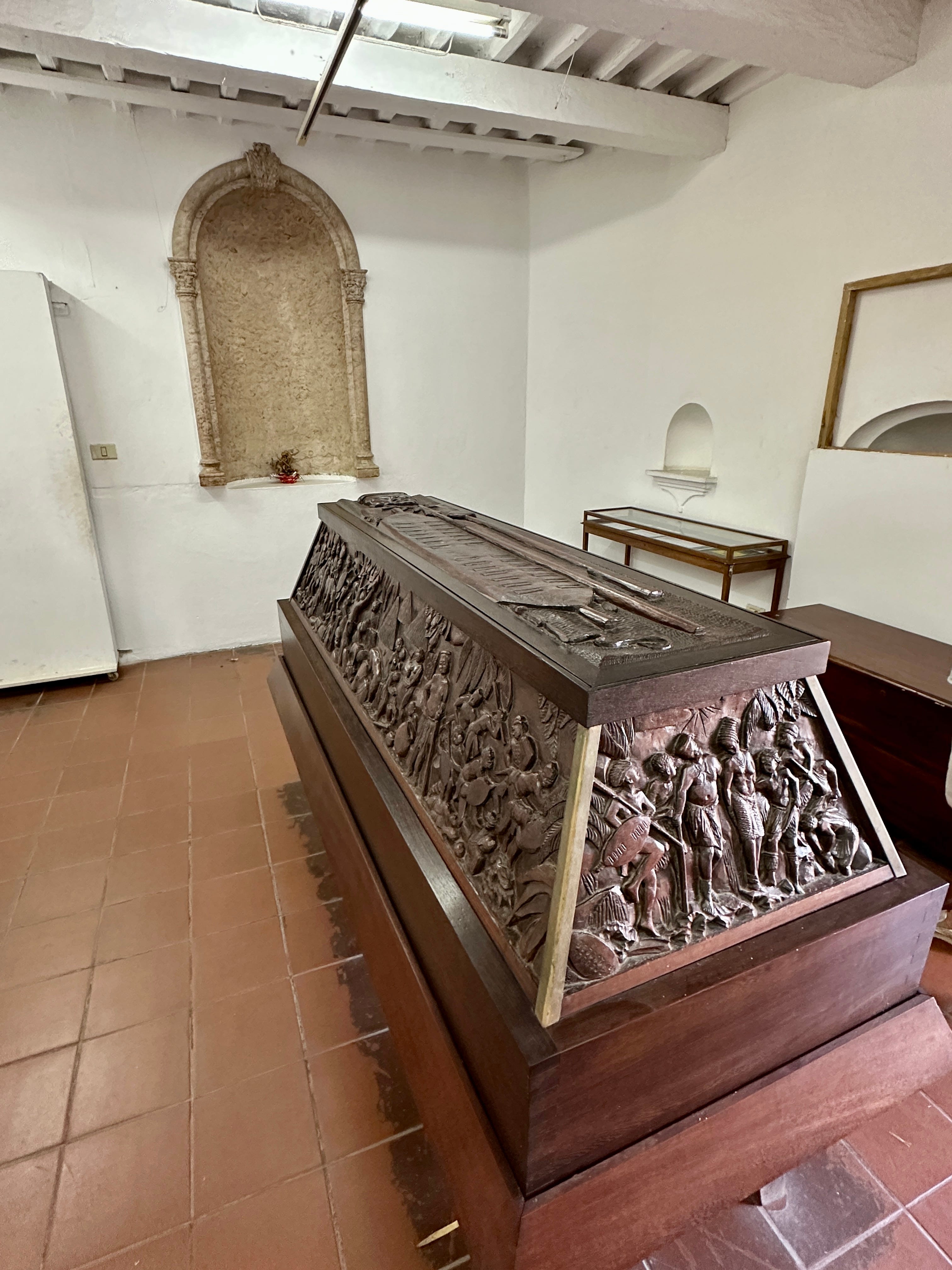
The remains of Ngungunhane, the last ruler of the Gaza Empire (now Southern Mozambique), are in close proximity to the statue of his captor, Mouzinho. In 1985, during Mozambique’s tenth independence anniversary, a symbolic reburial of soil from his grave honoured him as a national hero.
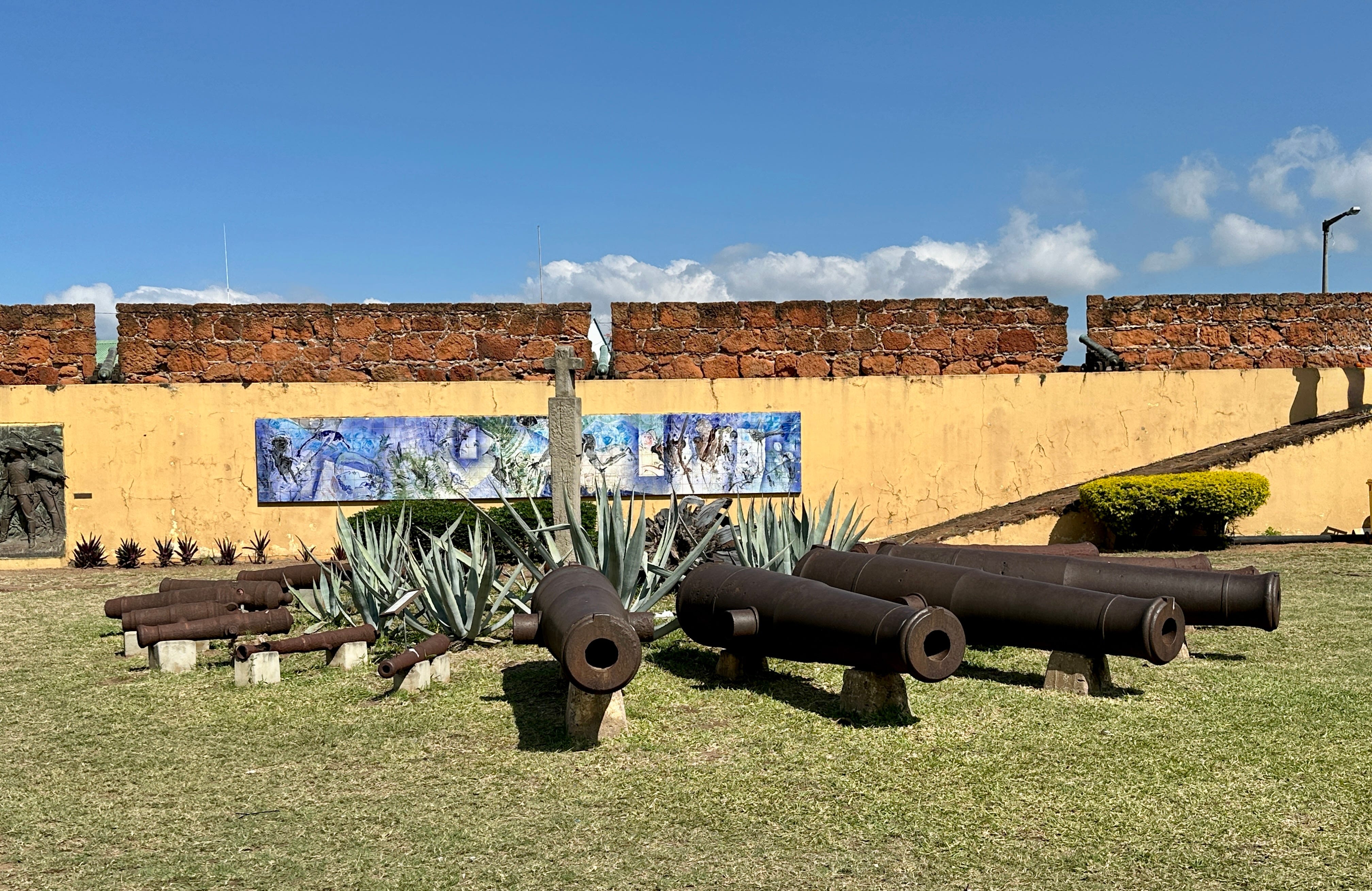
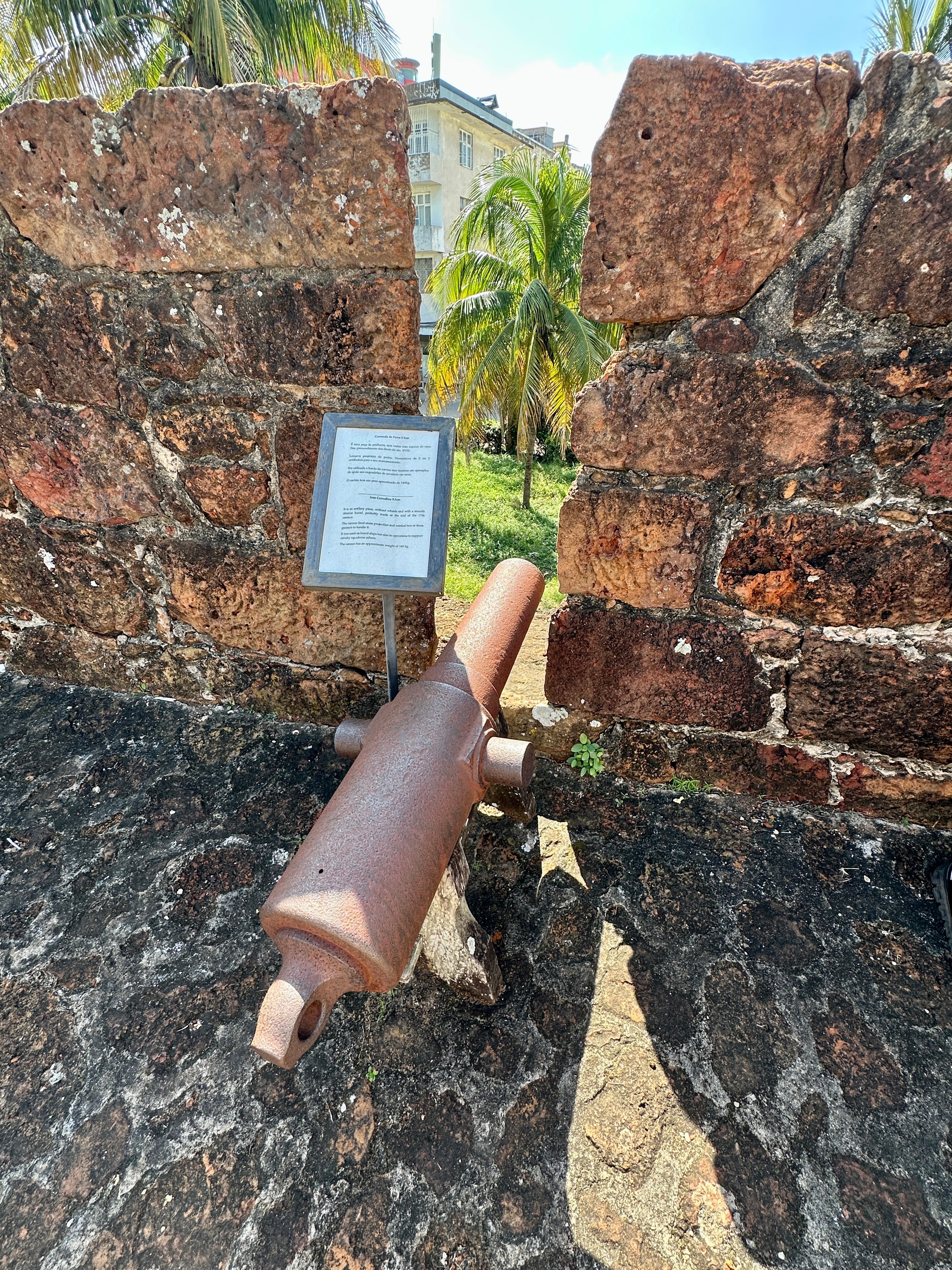
Cannons are located around the fortress. The sign beside this iron cannon reads, “It is an artillery piece, without wheels and with a smooth… barrel, probably made at the end of the 17th century. The cannon fired stone projectiles and needed two or three gunners to handle it. It was used on board ships but also in operations to support cavalry squadrons ashore. The cannon has an approximate weight of 140 kg.”
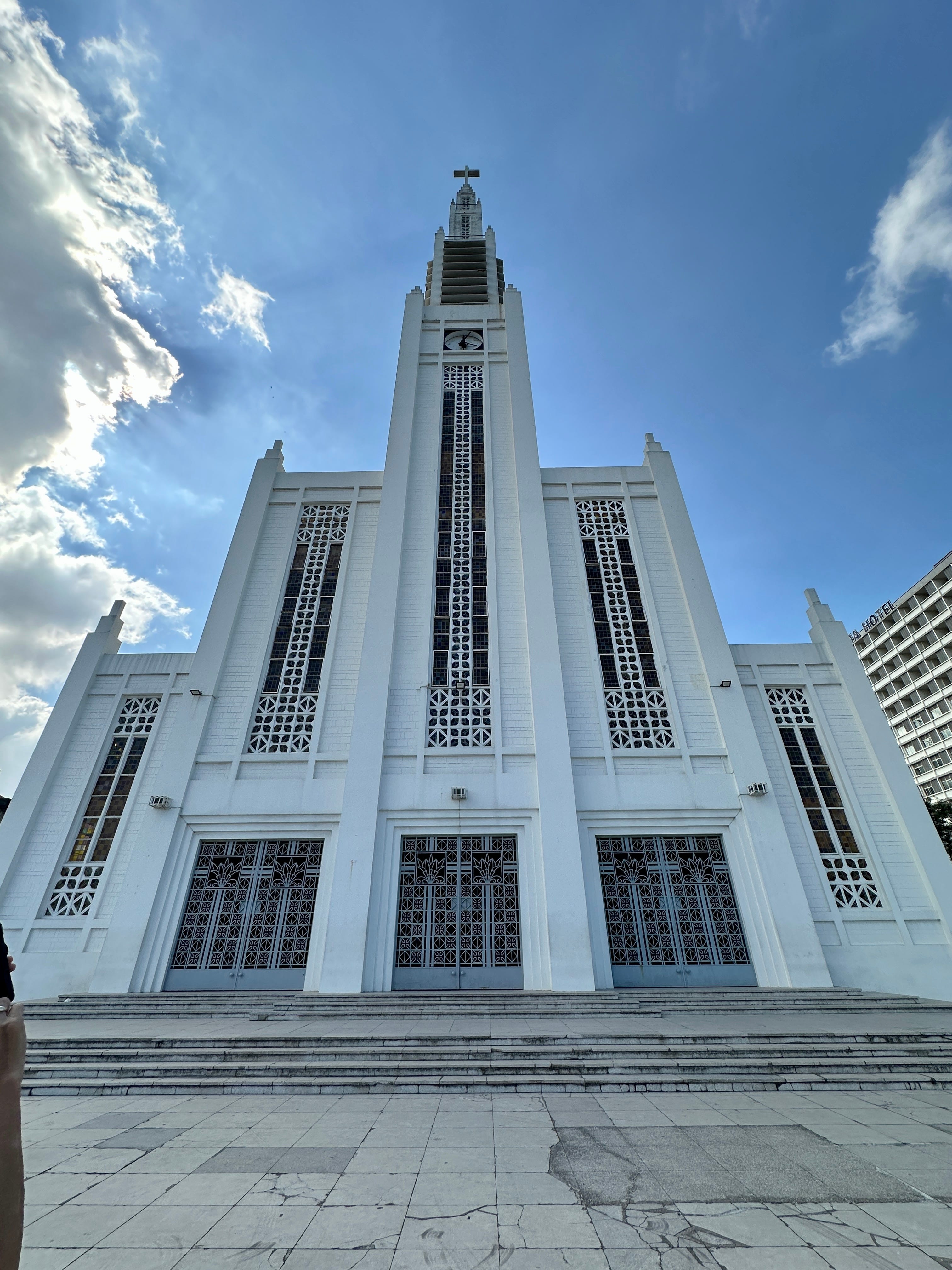
Our next stop was to the Maputo Cathedral. Our guide was most disappointed, as were we, that it was closed, so no visit inside, just a brief photo op.
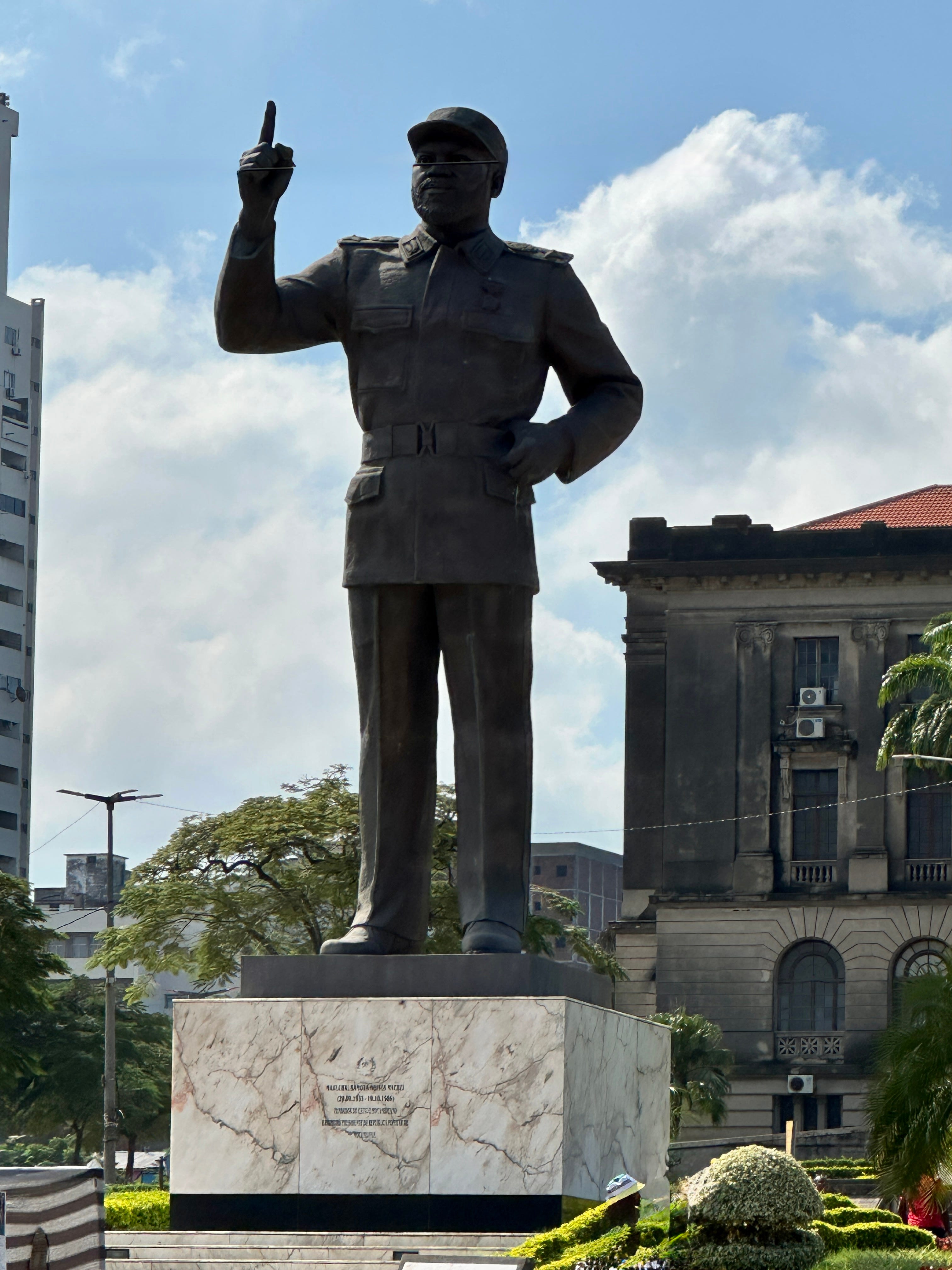
A large statue of Samora Machel, the first president of independent Mozambique, is located in Independence Square, near the cathedral. We first saw his bust in the train museum - he is considered the founding father of modern Mozambique.
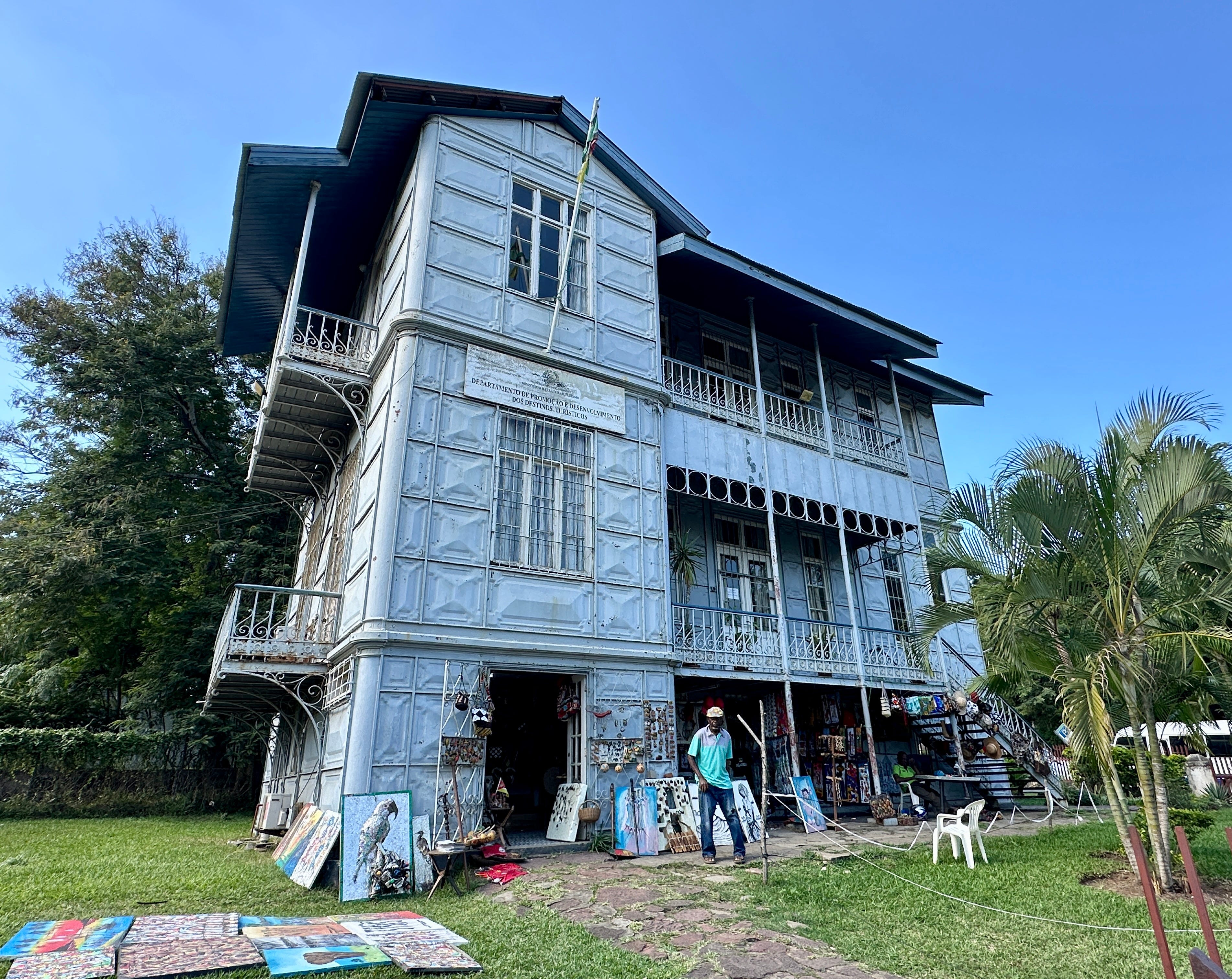
As we walked a bit further, we came to Iron House, from the late 19th century. Its design is attributed to Gustave Eiffel, the engineer behind the Eiffel Tower. It was a prefabricated building, brought to Maputo and assembled during the Portuguese colonial era. In Maputo’s climate, an iron structure did not work out well! Heat was absorbed and trapped, making it a very impractical building. Rather than being a governor’s residence as intended, today it is used by the government, with offices connected to culture and tourism.
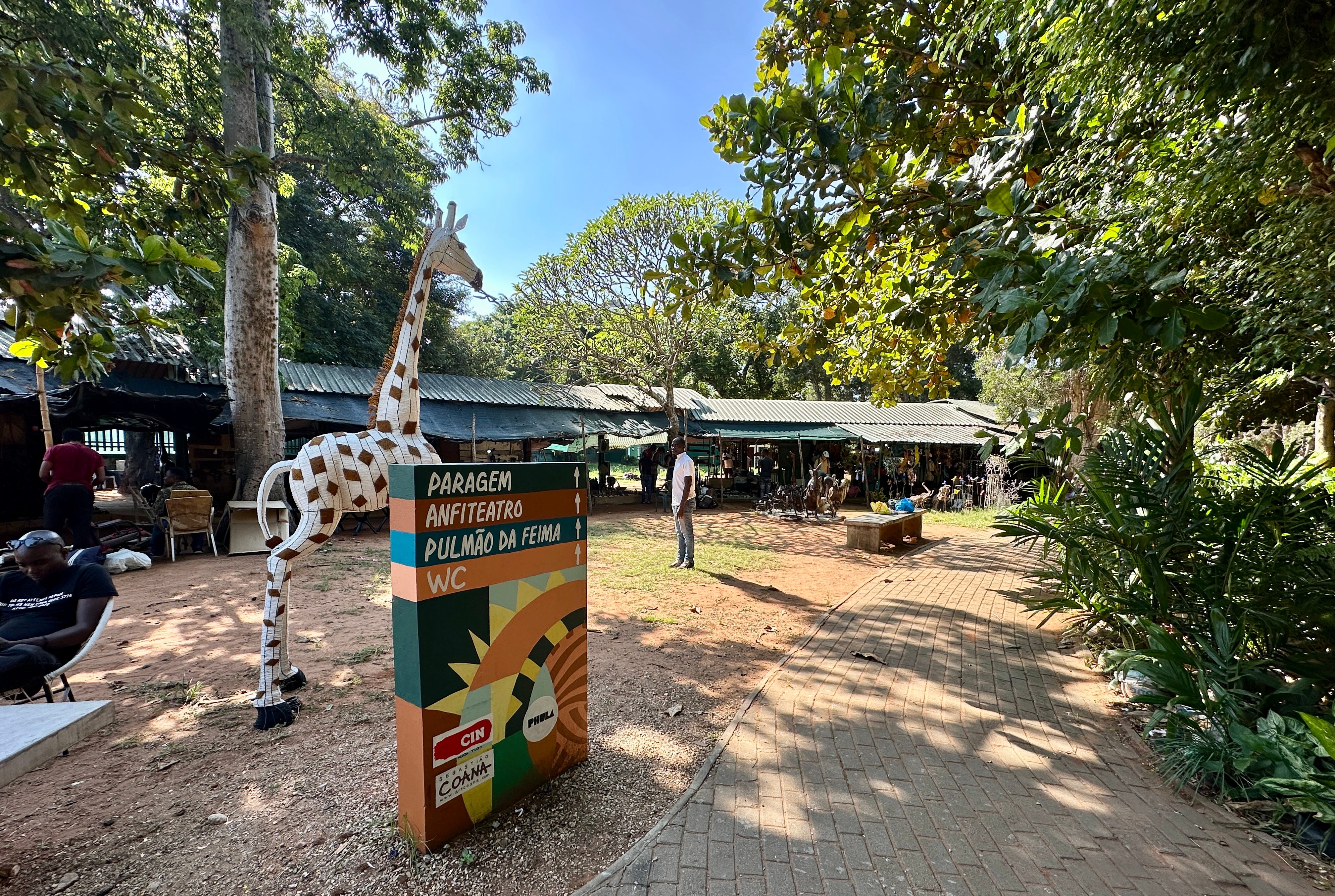
One of the best known markets in Maputo is FEIMA - Feira de Artesanato, Flores e Gastronomia - or “Crafts, Flowers, and Gastronomy Fair.” It was a beautiful park-like space, with open-air stalls filled with wooden carvings, textiles, art, and other souvenirs. The vendors were not nearly as assertive as the ones on the streets, although we did get lots of invitations to ‘take a look.’
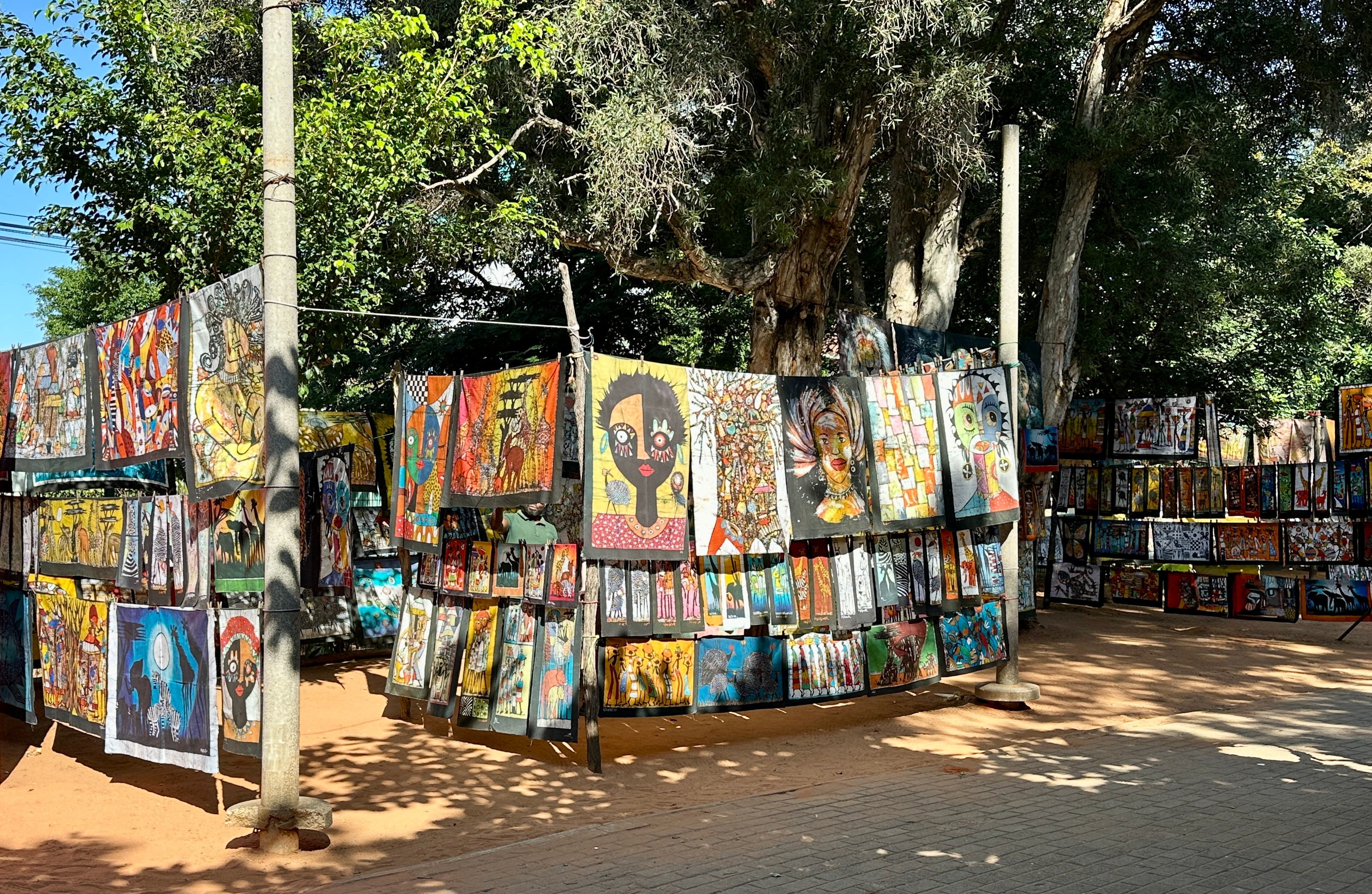
At the entrance, we couldn’t resist this colourful display of batik art. We found two small complimentary prints that we were very happy with, and after some bargaining, got them for $6 USD each. Not bad! We did laugh that in every stall, we were told the prints were made by the seller’s father… hmmm… what a coincidence!
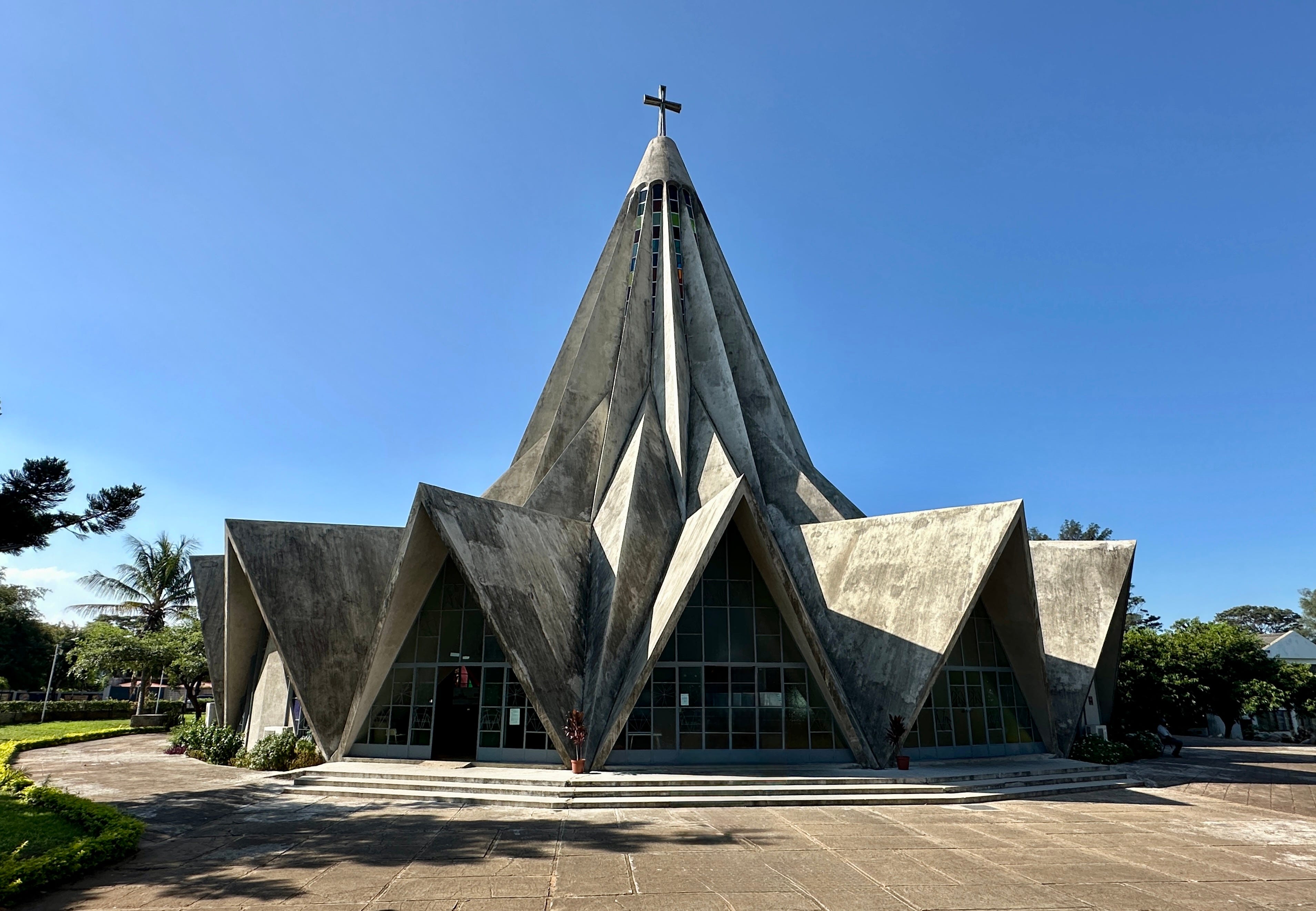
Our guide took us to one final stop, the Church of Santo Antonio da Polana - a bonus stop since the Cathedral was closed. Locals aptly nicknamed it the “lemon squeezer church” - it certainly does resemble a citrus press!
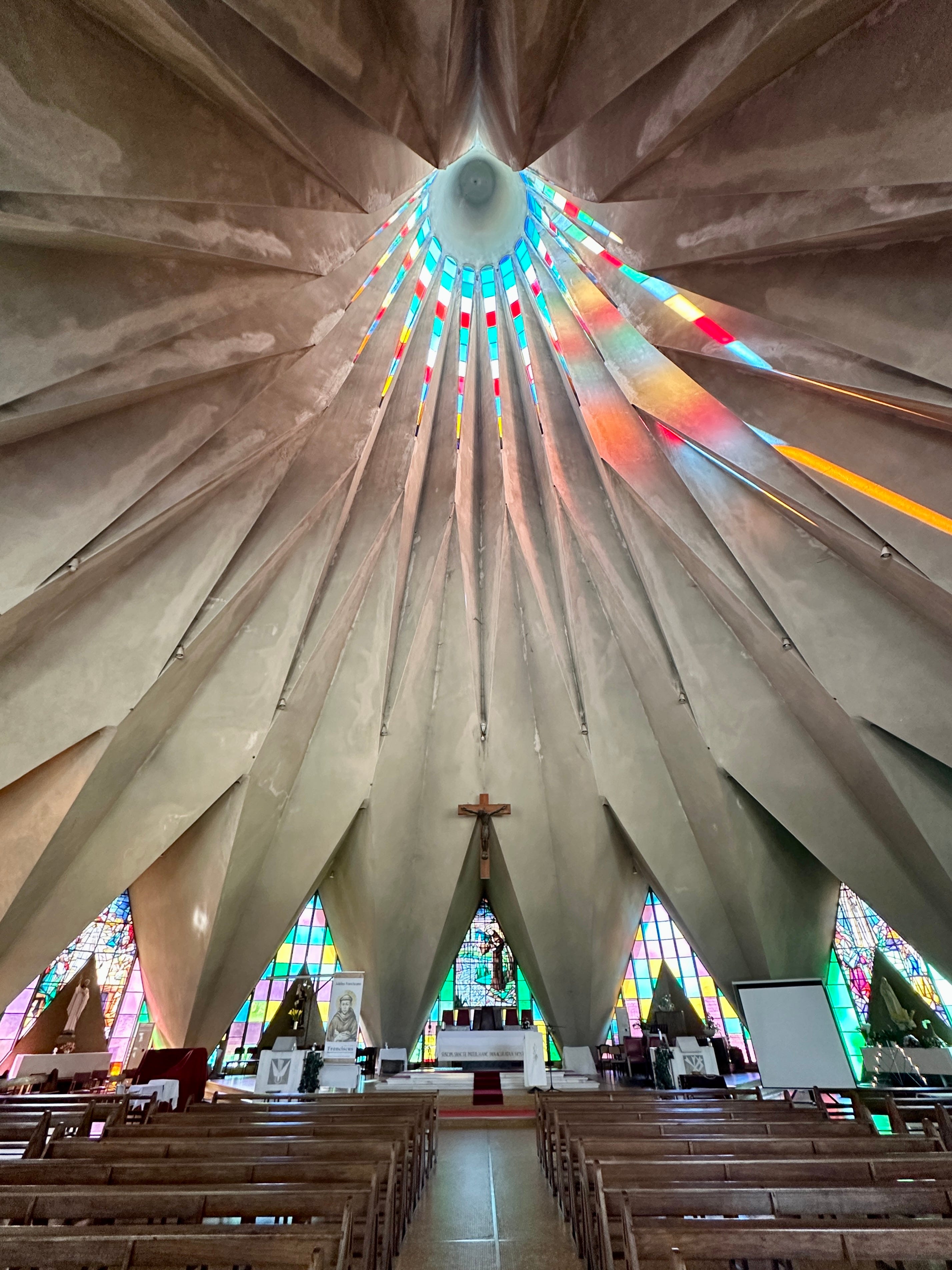
The interior is filled with coloured light from the stain glass panels in the roof and walls.
The church visit concluded our tour in Maputo. We covered a lot of the city’s highlights in a mere 3-hours!
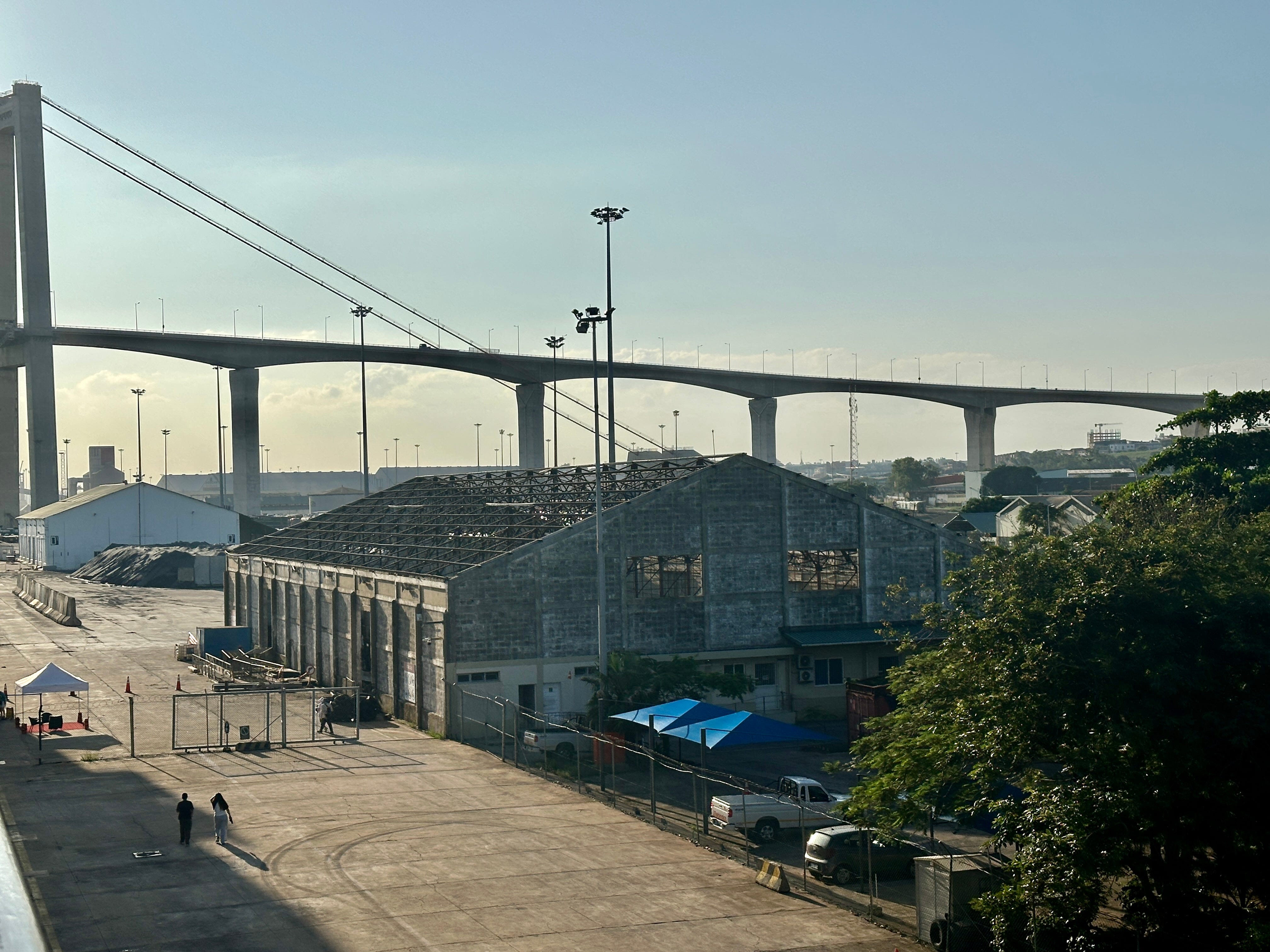
Our next port of call is Richards Bay, South Africa.
I can’t wait to see all of the local art you’ve been collecting along the way. Such unique pieces that will mark and remind you of all of the incredible places you visited.
Loved the inside of the Church of Santo Antonio da Polana..what an interesting design.